Giới thiệu
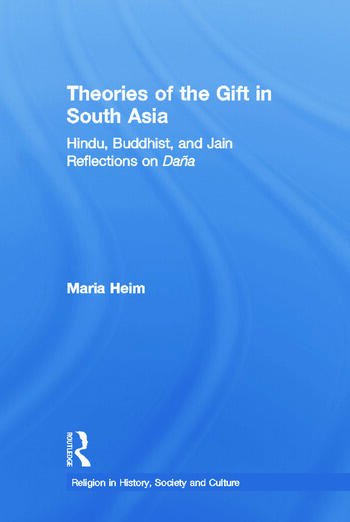
The book begins with preliminary materials, including an Abbreviations section arranged by tradition: Dharmaśāstra, Jain, and Theravāda Buddhist sources. This indicates the comparative structure of the study from the outset. Heim works with Sanskrit, Prakrit, and Pāli materials, especially medieval prescriptive and scholastic texts on gift-giving. The Series Editors’ Foreword situates the work as a methodological contribution to the historical study of religion and religious ethics. Frank Reynolds and Winnifred Fallers Sullivan emphasize that Heim challenges the dominant theory of the gift associated with Marcel Mauss and proposes instead an “ethics of esteem” as central to South Asian dāna theory.
The Introduction establishes the central research problem: what makes a good gift? Heim argues that in premodern South Asia, gift-giving was not a marginal act of generosity but a major civilizational practice. It appeared in royal patronage, temple donations, almsgiving, hospitality, monastic support, inscriptions, stories, and scholastic treatises. The introduction identifies four analytical dimensions that structure the book: the donor, the recipient, the ritual, and the gift object. These four dimensions provide the framework for examining how Hindu, Buddhist, and Jain traditions defined proper giving.
Chapter One: Sources introduces the textual corpus of the study. Heim focuses on medieval prescriptive literature, especially from roughly the eleventh to thirteenth centuries. The Hindu materials include Dharmaśāstra dāna-nibandhas, or compendia on gift-giving. Jain materials include śrāvaka-ācāra texts dealing with lay conduct. Theravāda Buddhist materials include Pāli and Sinhala scholastic works concerned with lay morality and proper giving. Heim argues that these texts are not merely derivative anthologies; they are sophisticated works of ethical reflection, classification, and cultural interpretation.
Chapter Two: The Donor analyzes the giver. Heim studies the motivations, dispositions, and moral qualities required of a proper donor. The chapter asks whether giving is motivated by merit, reverence, compassion, religious aspiration, social duty, or esteem. Against a purely transactional reading of gift-giving, Heim shows that South Asian traditions often emphasize the inner disposition of the giver. A good donor must give with faith, respect, purity of intention, and proper understanding. This chapter is important for understanding dāna as ethical cultivation, not simply external donation.
Chapter Three: The Recipient focuses on the person or institution receiving the gift. Heim examines the question of worthiness: who deserves a gift? In many South Asian traditions, the recipient is not random; the gift should be directed toward a morally or ritually worthy field. Hindu Dharmaśāstra texts often privilege brahmans as ideal recipients. Jain and Buddhist texts emphasize monks, nuns, ascetics, or morally disciplined religious figures. The chapter also explores the difference between giving to the needy and giving to the worthy. Heim shows that dāna frequently constructs vertical relationships of esteem rather than reciprocal relationships of equal exchange.
Chapter Four: The Ritual studies how a gift should be given. Heim argues that gift-giving is not merely a transfer of property but a ritualized act governed by etiquette, timing, bodily comportment, speech, intention, and ceremonial propriety. The gift must be performed with care. Ritual form gives the act its moral and social meaning. This chapter shows that dāna belongs to a broader culture of refinement, discipline, reverence, and religious civility.
Chapter Five: The Gift examines the material object of giving. Heim analyzes what kinds of objects are considered appropriate, valuable, pure, or spiritually beneficial. South Asian texts classify gifts in great detail, including food, land, cows, clothing, medicine, lamps, religious objects, and support for monastic or ritual institutions. This chapter is especially important because Heim shows that sectarian differences become most visible in debates about what should be given. The material object is never neutral; it carries social, ritual, ethical, and religious significance.
The Conclusion synthesizes the comparative argument. Heim concludes that South Asian theories of dāna cannot be adequately explained through reciprocity alone. The gift is often unilateral, asymmetrical, and directed upward toward a religiously esteemed recipient. Yet this does not make it morally empty or merely hierarchical. Instead, dāna becomes a practice through which donors cultivate generosity, express reverence, participate in religious culture, and imagine an ethical social order. The book therefore reframes gift theory by showing that nonreciprocal giving can still be morally rich and theoretically complex.